

Mission, Vision & Core Values
Strategic Priority Captains: S.E.E. the Vanguard Vision Steering Team Members
Priority One: Strengthen Enrollment and Student Success
Dr. Catherine Burton, Director of Advising and Learning
Bailey Carl, Director of Admissions
Ashley Hankins, Associate Director of Early College | Concurrent Enrollment Coordinator
Dr. Joseph Scott, Dean of Math and Science | Assistant Professor
Dr. Jodi Whitehurst, Associate Professor of English
Strategy 1:
Create an enrollment management plan that focuses on reducing the gray box* by targeting recruitment of recent high school graduates and adults without college credentials.
Target: Increase the ASU-Beebe college going rate of high school seniors in the six-county service area from 12% to 17%.
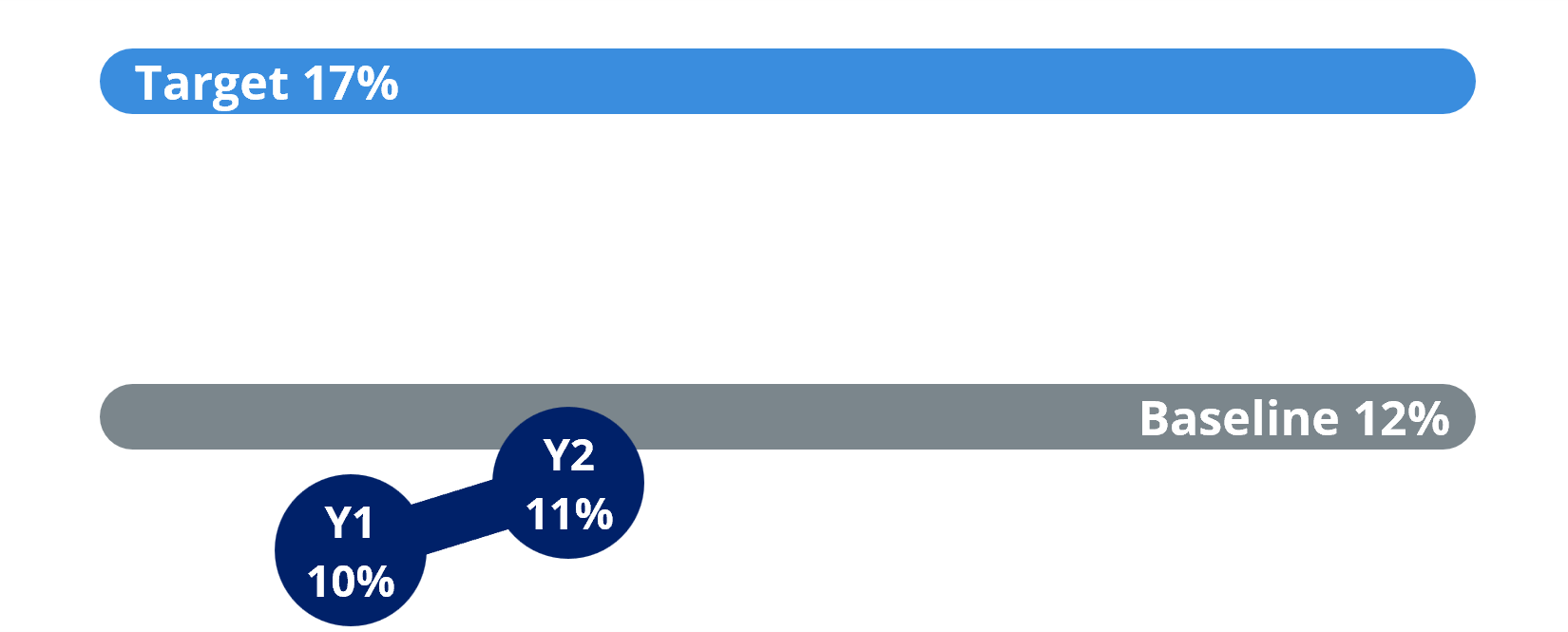
The college going rate decreased to 10% in year one. In year two, it increased to 11%.
Updated in April.
Target: Increase unduplicated annual headcount enrollment from 4,027 to 5,000.
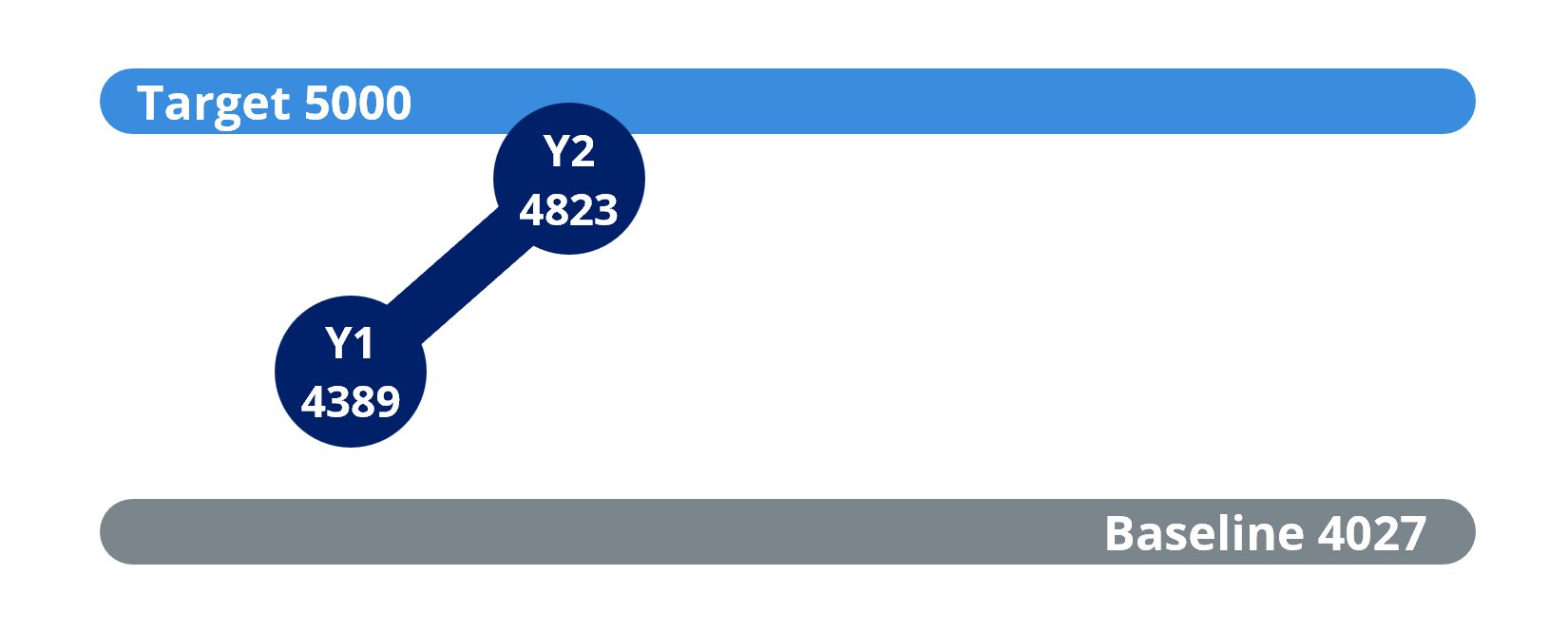
The unduplicated annual headcount enrollment increased to 4,389 in year one and 4,823 in year two.
Updated in August 2026.
*The gray box refers to Arkansas high school graduates who did not matriculate to a higher education institution the fall semester following their graduation and/or Arkansas adults who have not attended higher education or who have some college but no certificate or degree.
Initial initiatives:
- Expand methods for delivering need-to-know information to potential students.
- Orchestrate interactions with potential non-traditional students within the community.
- Increase college funding opportunities for non-traditional students.
____________________
Strategy 2:
Increase awareness of programs and the paths to their completion.
Target: Increase the number of annual program applications for first-time ASU-Beebe students from 2,157 to 2,600.
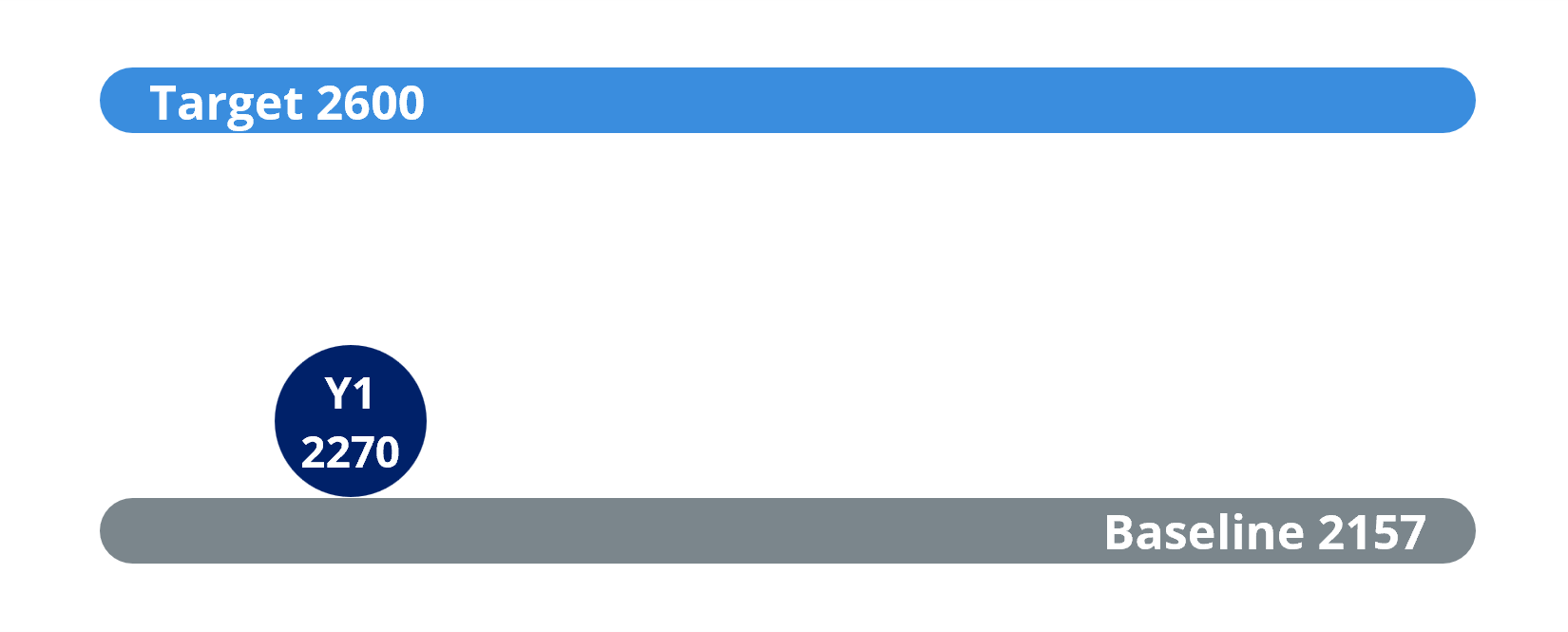
In the first year, The number of program applications increased to 2,270.
Updated in September.
Target: Increase the number of annual FAFSA applications from 3,773 to 4,000.
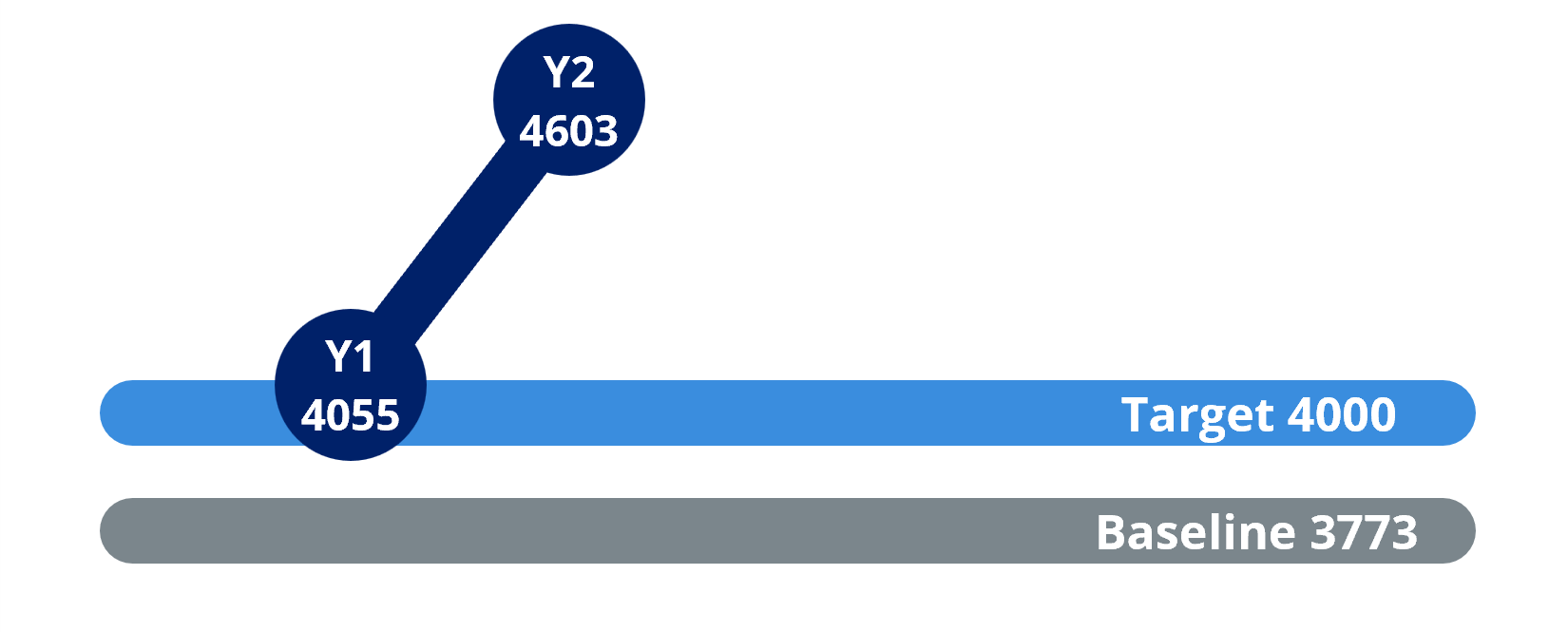
In year one, the number of annual FAFSA applications increased to 4,055, exceeding the target by 55 applications. The number continues to increase, reaching 4,603 in year two.
Updated in July 2026.
Initial initiatives:
- Develop strategies to offer start-to-completion college and financial planning for high school students and their families.
- Expand efforts to supply promotional materials to potential non-traditional students that effectively communicate the affordability and value of a degree at ASU-Beebe.
- Provide open houses for all programs and divisions.
____________________
Strategy 3:
Create comprehensive pathways for student support and engagement from enrollment to completion.
Target: Increase fall-to-spring persistence rates from 77% to 80%.
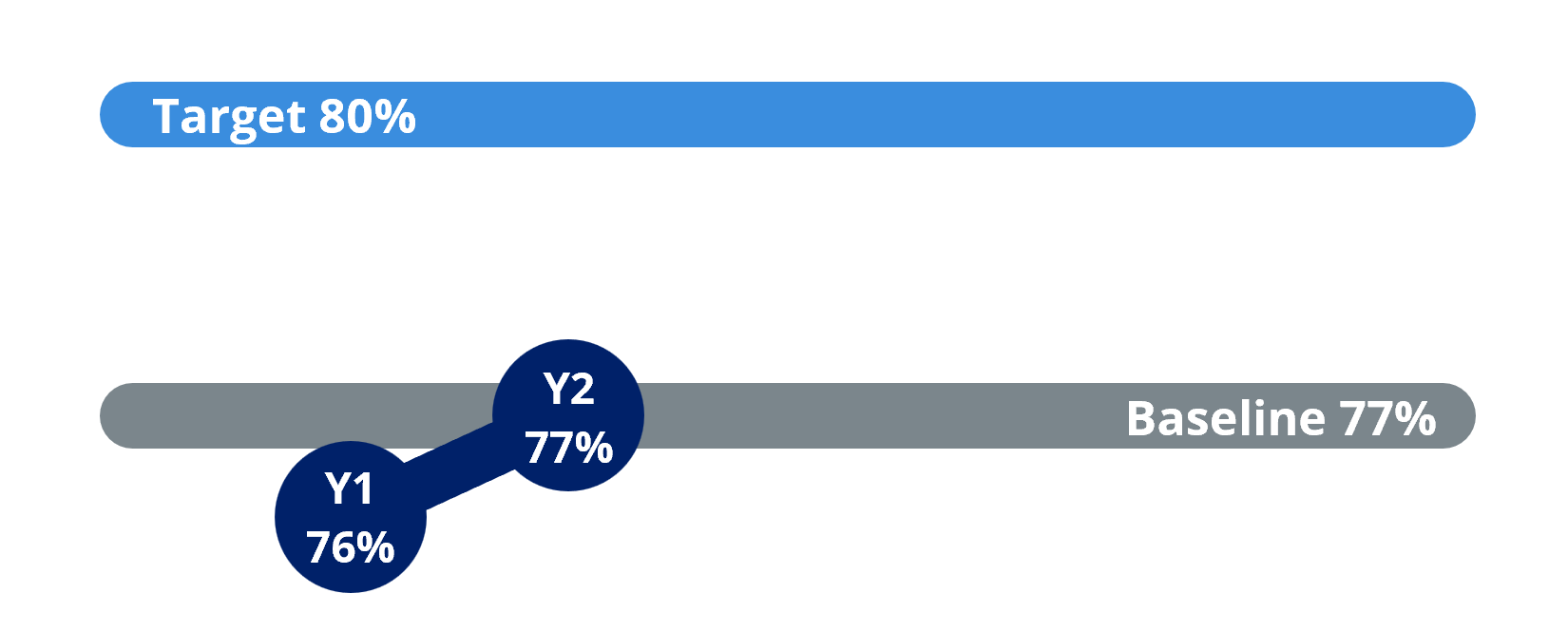
The fall-to-spring persistence rate decreased to 76% in year one, but increased back to 77% in year two.
Updated in March.
Target: Increase fall-to-fall retention rates from 57% to 60%.
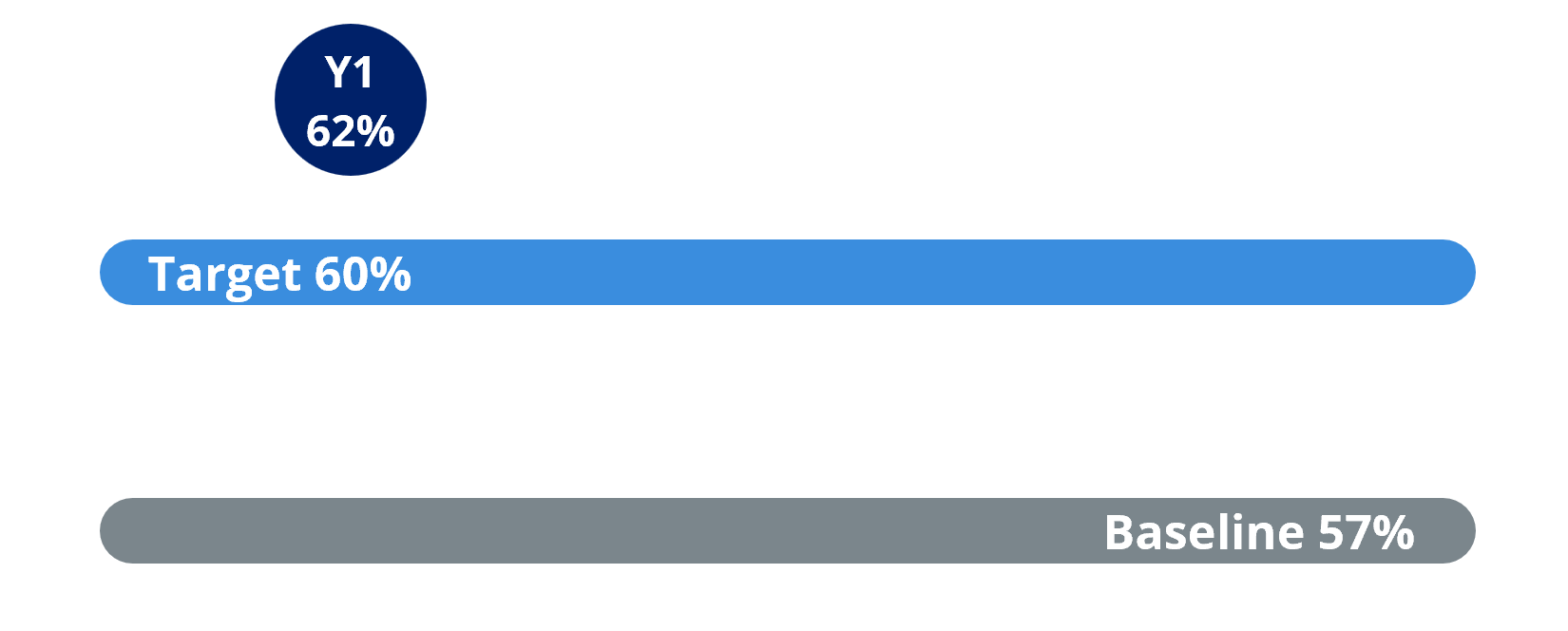
The fall-to-fall retention rate increased spring persistence rate decreased to 62% in year one.
Updated in October.
Target: Increase the annual number of credentials from 1361 to 1800.
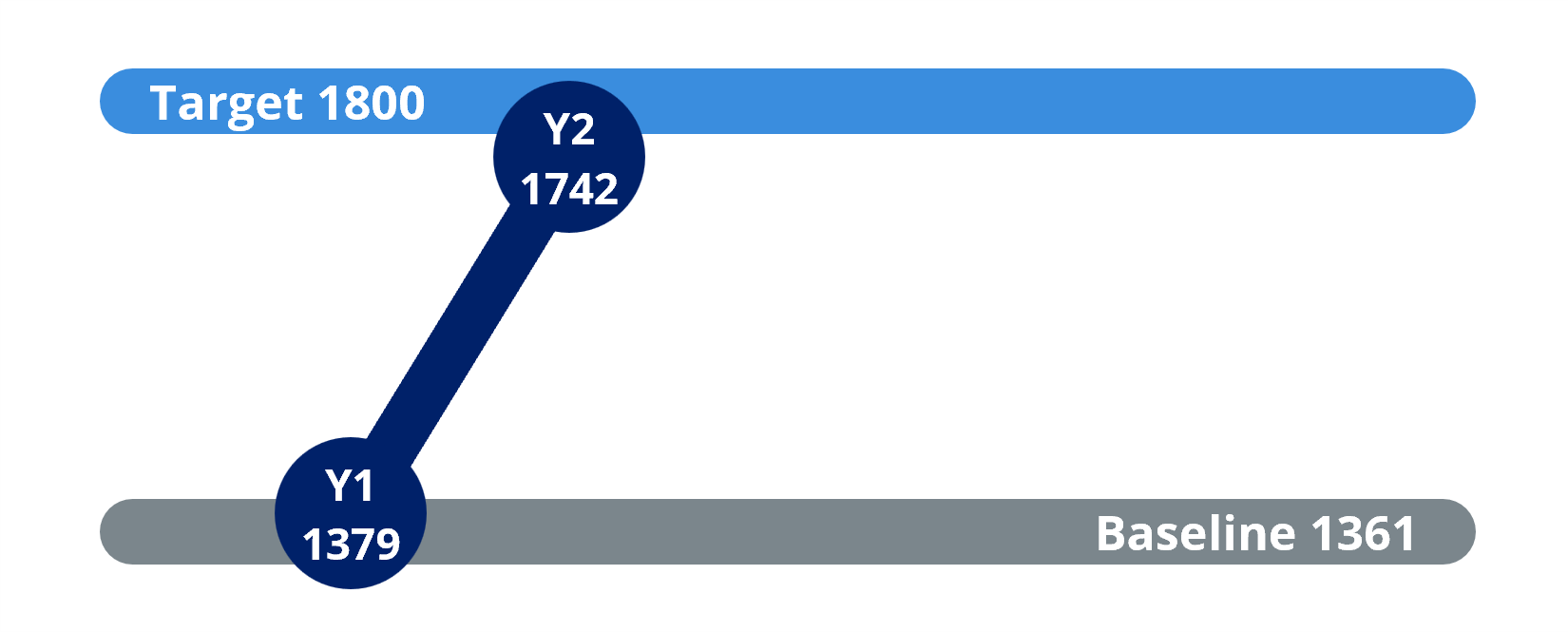
The number of credentials awarded increased to 1,379 in year one and 1,742 in year two.
Updated in August 2026.
Initial initiatives:
- Design a comprehensive on-going advisor training program.
- Expand access to comprehensive mental health counseling services across campuses.
- Develop a parent and family engagement program.
____________________
Strategy 4:
Ensure a smooth transition to transfer institutions.
Target: Reach a goal of 75% of students reporting satisfaction with “Transfer Services” on the Graduate Exit Survey.
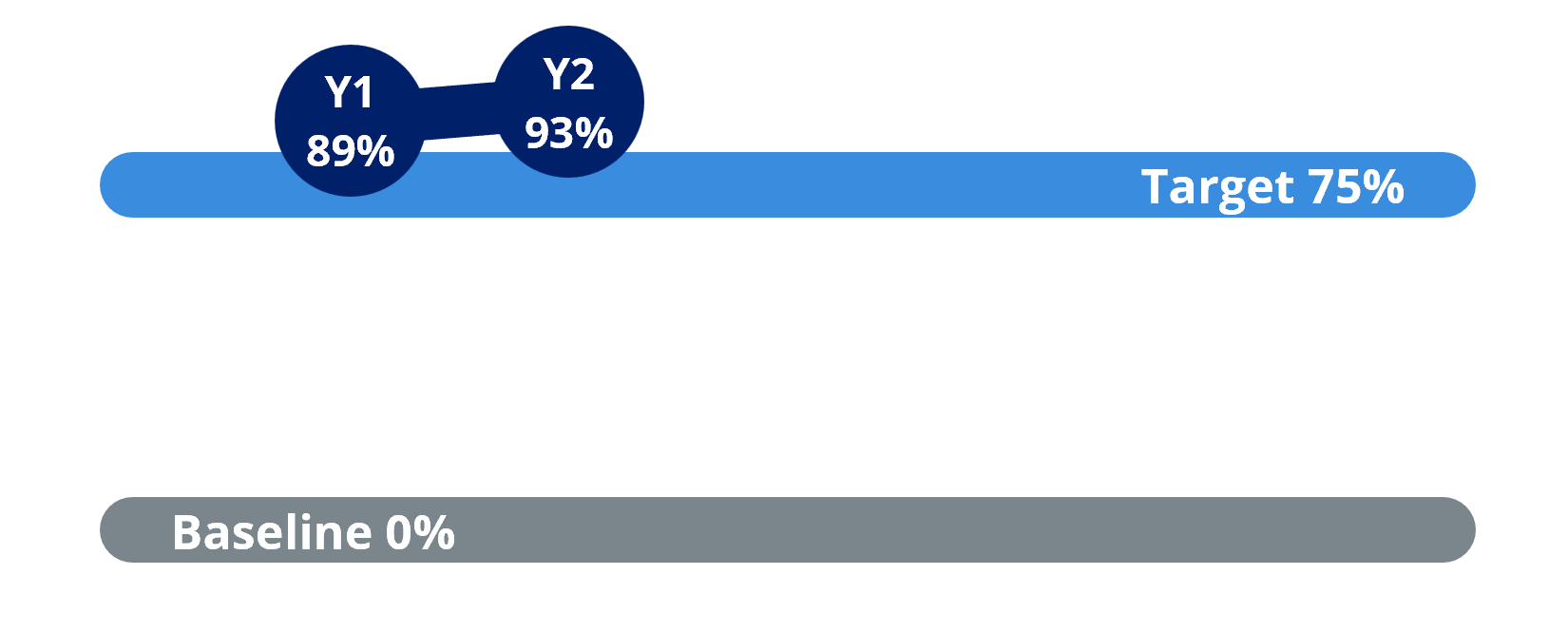
The percentage of students satisfied with Transfer Services increased to 89% in year one and 93% in year two, exceeding the target of 75%.
Updated in June.
Target: Increase the percentage of students on the transfer track who successfully transfer within one year after graduation from 65% to 72%.
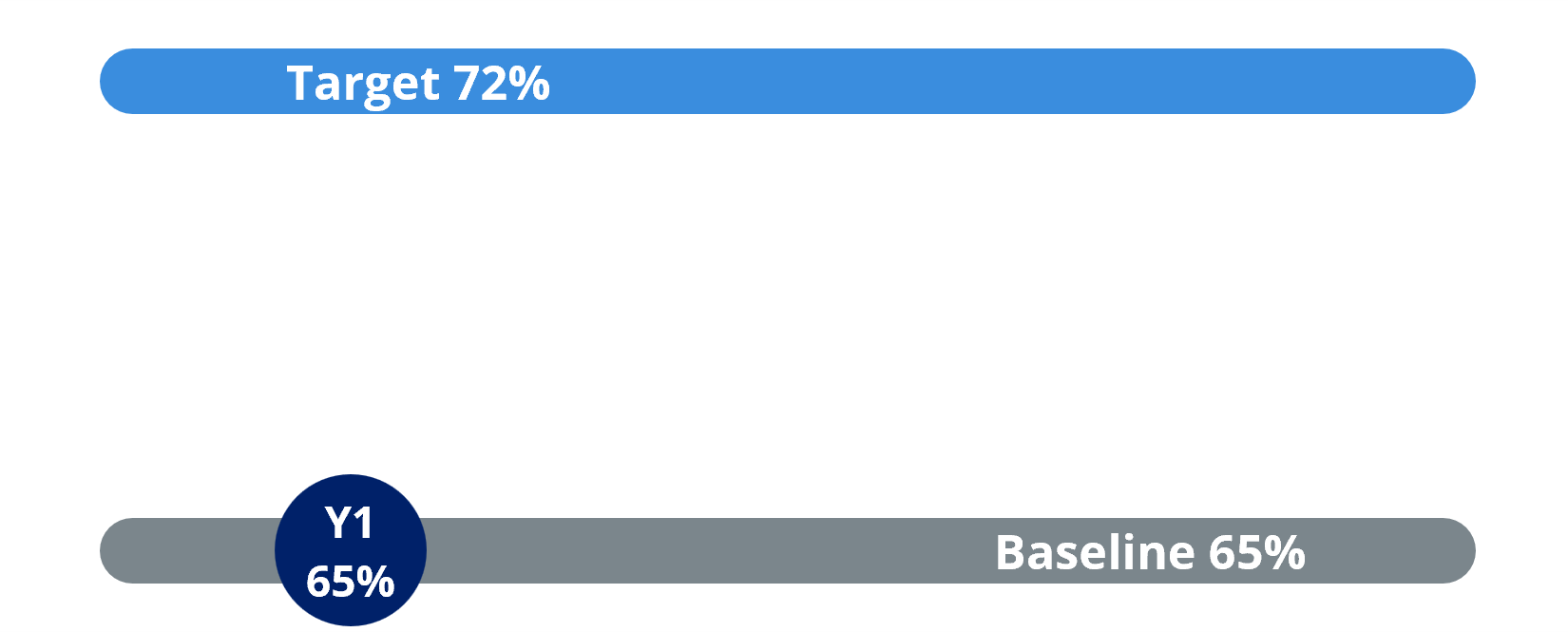
In year one, the percentage of students transferring within one year remained at 65%.
Updated in August.
Initial initiatives:
- Increase articulation agreements with transfer institutions.
- Enhance strategies to communicate transfer information early in the educational path.
- Design and offer early individualized planning.
Strategy 5:
Enhance career services and job placement.
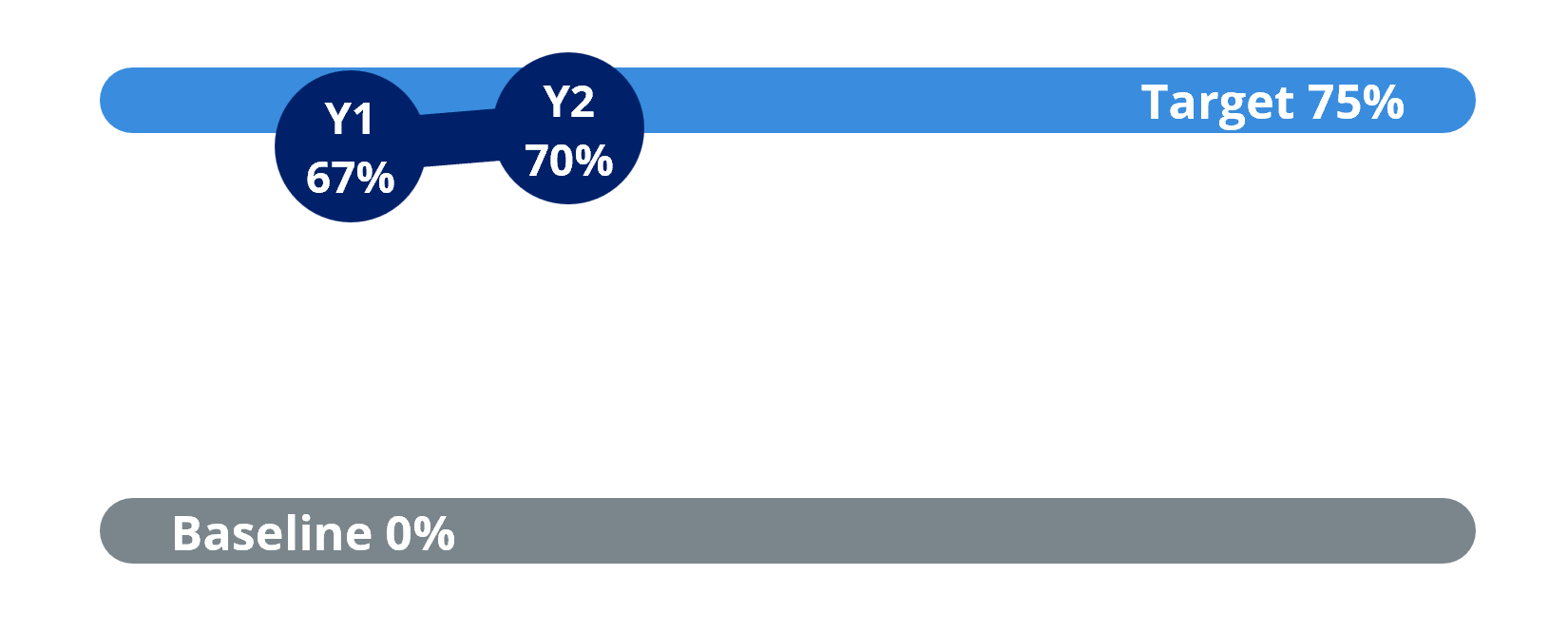
Target: Reach the goal of 75% of students reporting satisfaction with “Career Services/Job Placement” on the Graduate Exit Survey.
Initial initiatives:
- Expand career planning services for entering students.
- Increase experiential learning opportunities.
- Enhance career placement services.
Strengthen alumni engagement.
- Target: Increase alumni contacts from 3,000 to 11,000.
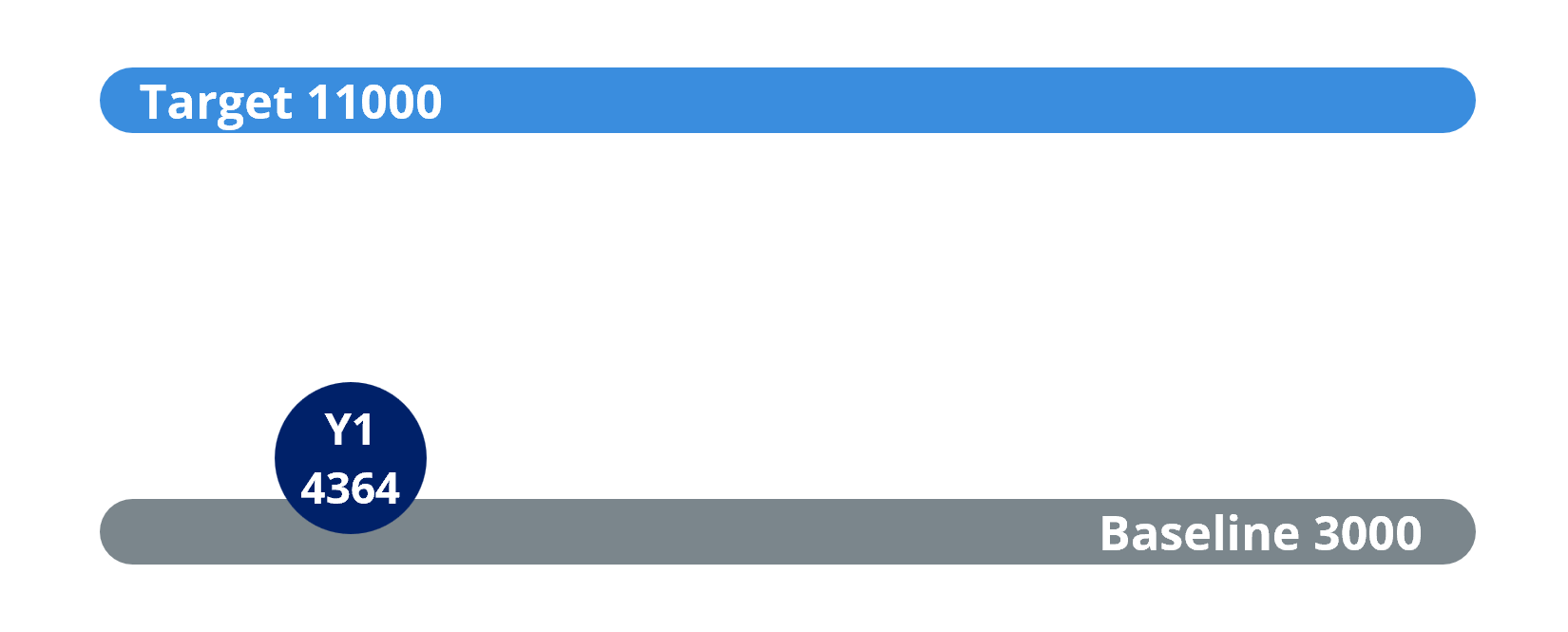
In year one, the number of alumni contacts increased to 4,364.
Updated in January.
- Develop and maintain a centralized alumni database.
- Develop career and networking opportunities for alumni.
- Host regional, virtual, and campus alumni events.
Strategy 2:
Expand industry and business partnerships.
- Target: Become a workforce training provider for 20 new business and industry partners.
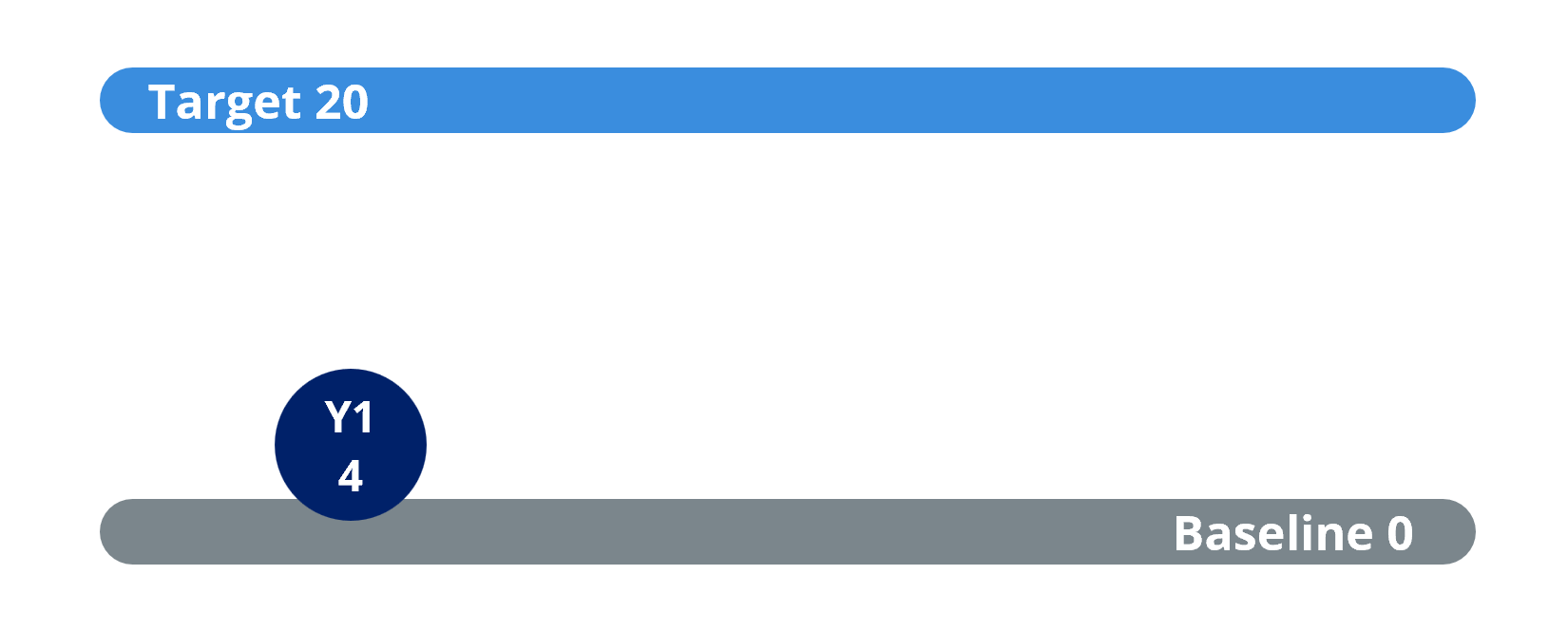
Target: Increase the number of Partnerships of Value* by 20.
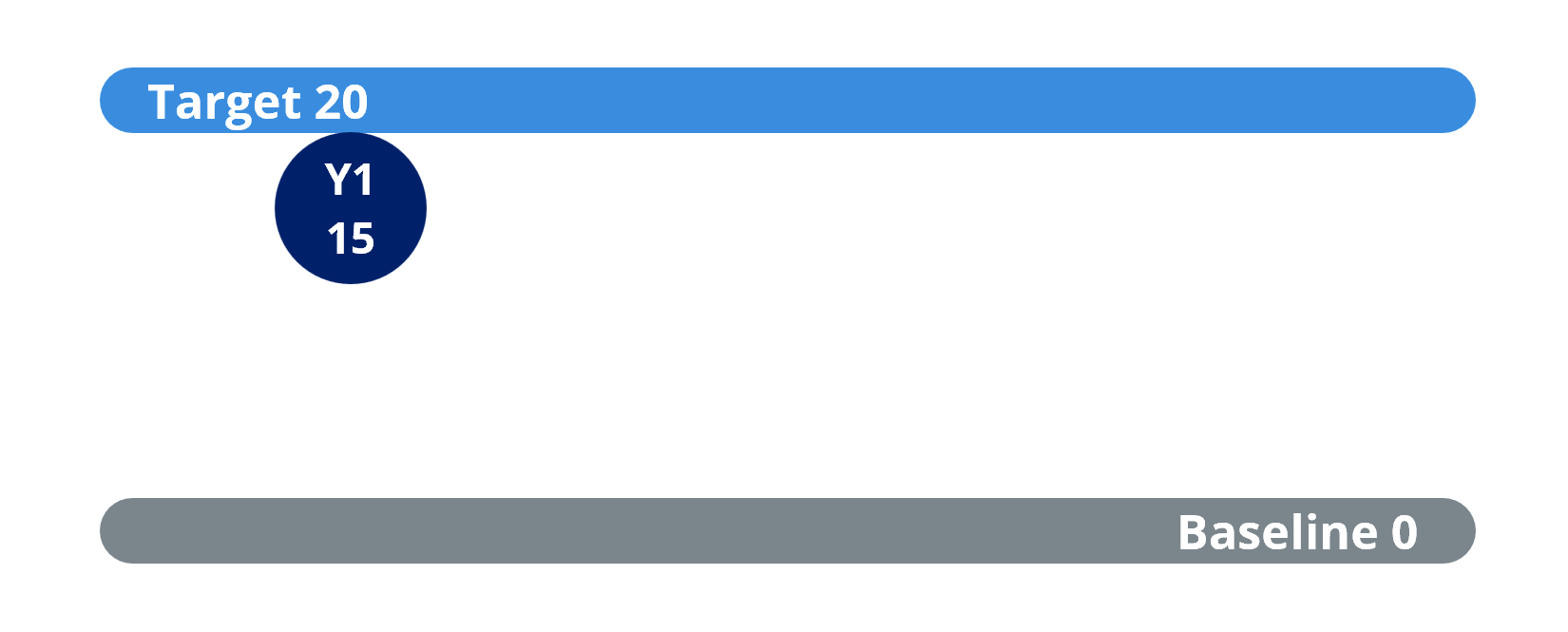
In year one, the number of new partnerships increased to 15.
Updated in September.
*Partnerships of value are partners who provide monetary support, scholarships, material or equipment donations, or hire five or more of our graduates annually.
Initial initiatives:
- Expand industry, leadership, and upskilling opportunities and trainings.
- Collaborate with program advisory boards and vendors to expand partnerships of value.
- Seek and secure resources for workforce development.
Strategy 3:
Strengthen community and donor relations.
- Target: Reach an ASU-Beebe annual volunteer/community engagement goal of 10,000 hours.
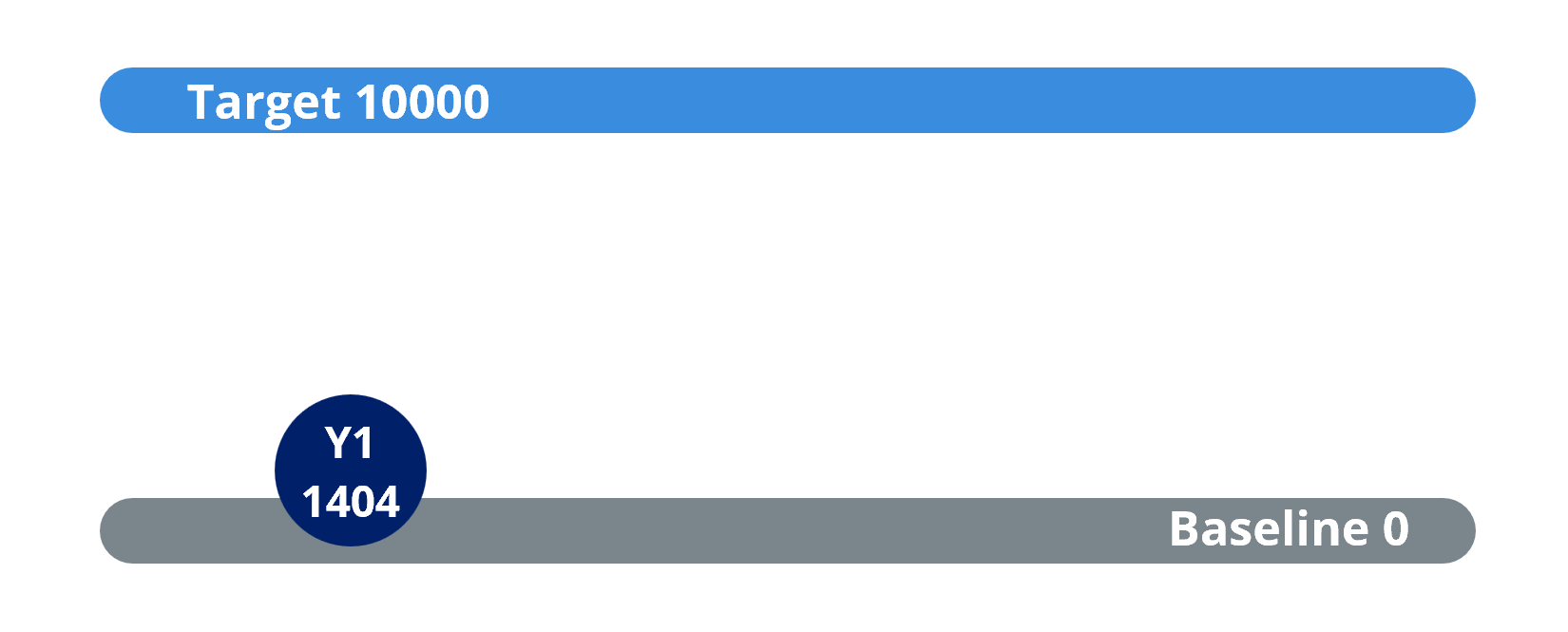
In year one, the number of volunteer hours was 1,404.
Updated in July.
- Target: Reach an annual donor giving goal of $300,000.
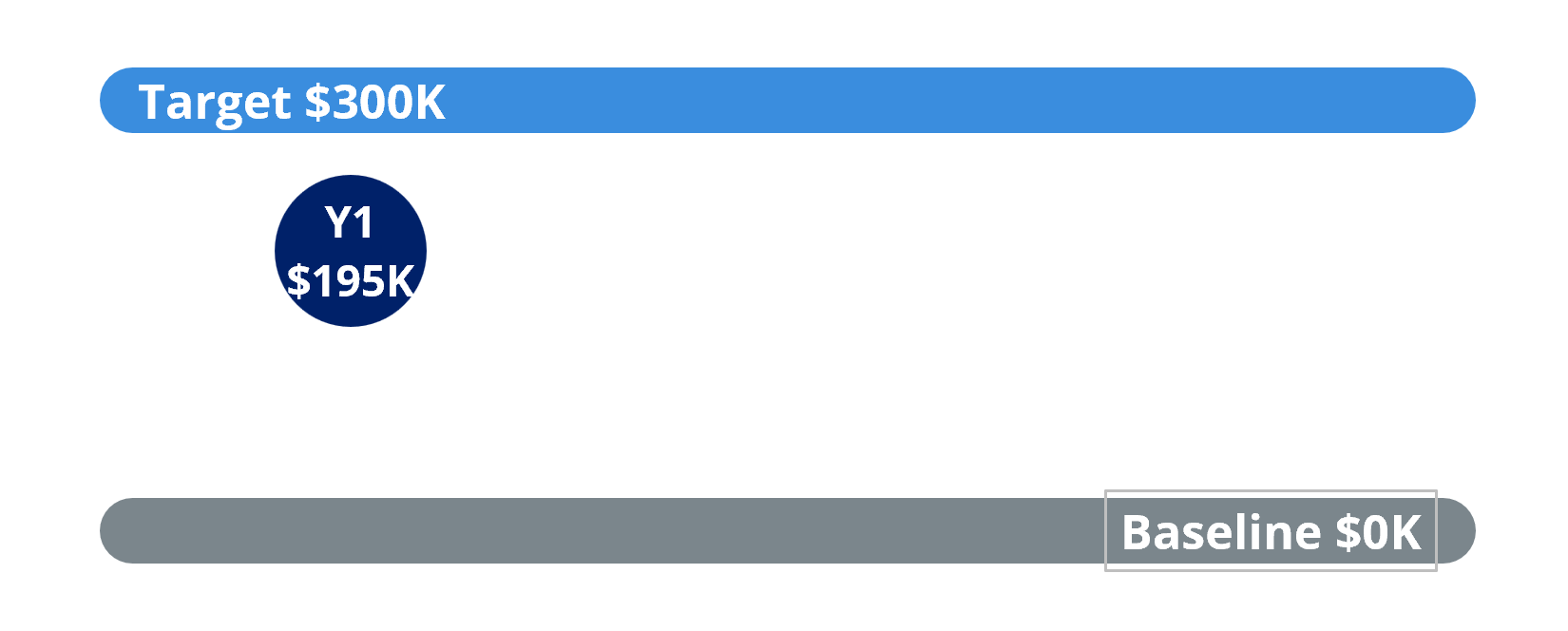
In year one, the annual giving was $195,000.
Updated in January.
- Grow the ASU-Beebe volunteer recognition program.
- Strengthen donor communications and giving through personalized engagement.
- Collaborate with local businesses and industry partners to support volunteer opportunities, sponsorships, and initiatives with ASU-Beebe.
Strategy 4:
Increase awareness of ASU-Beebe’s educational opportunities through strategic engagement.
- Target: Increase unduplicated annual headcount enrollment from 4,027 to 5,000.
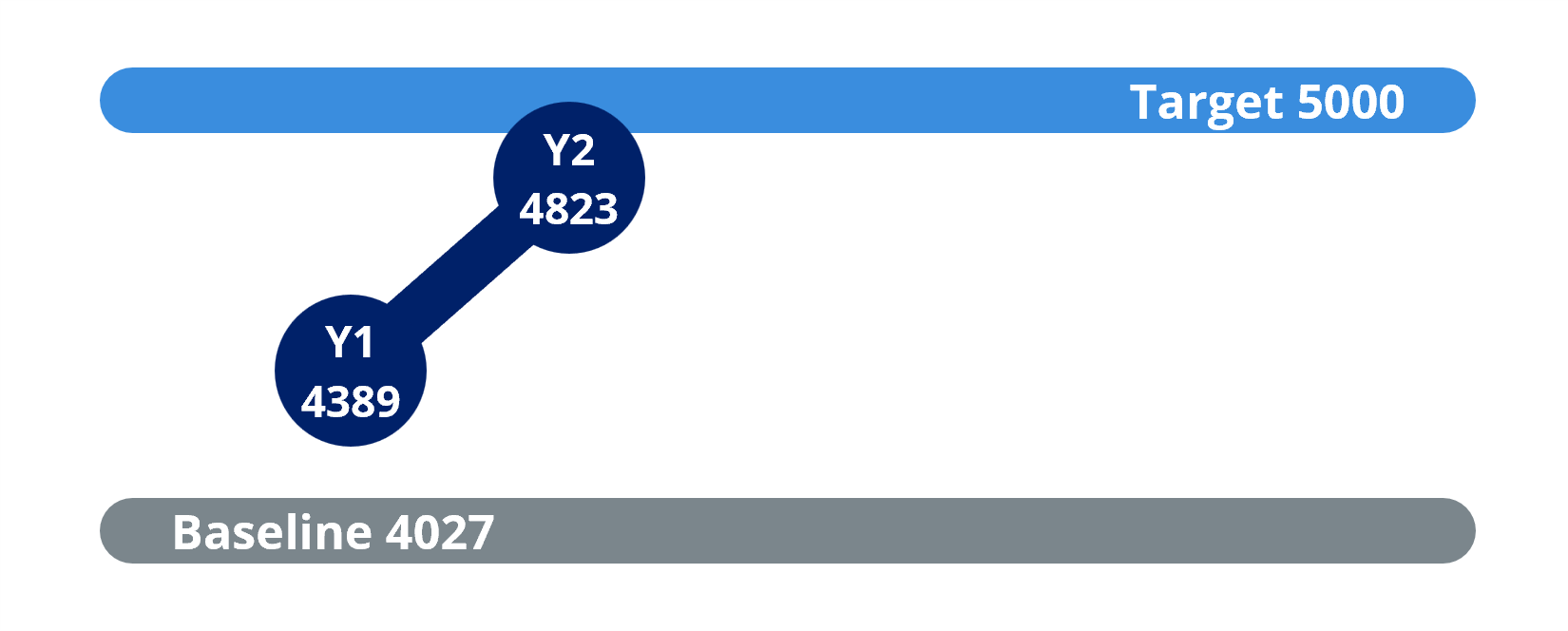
The unduplicated annual headcount enrollment increased to 4,389 in year one and 4,823 in year two.
Updated in August 2026.
- Target: Increase website annual interactions from 207,000 to 500,000.
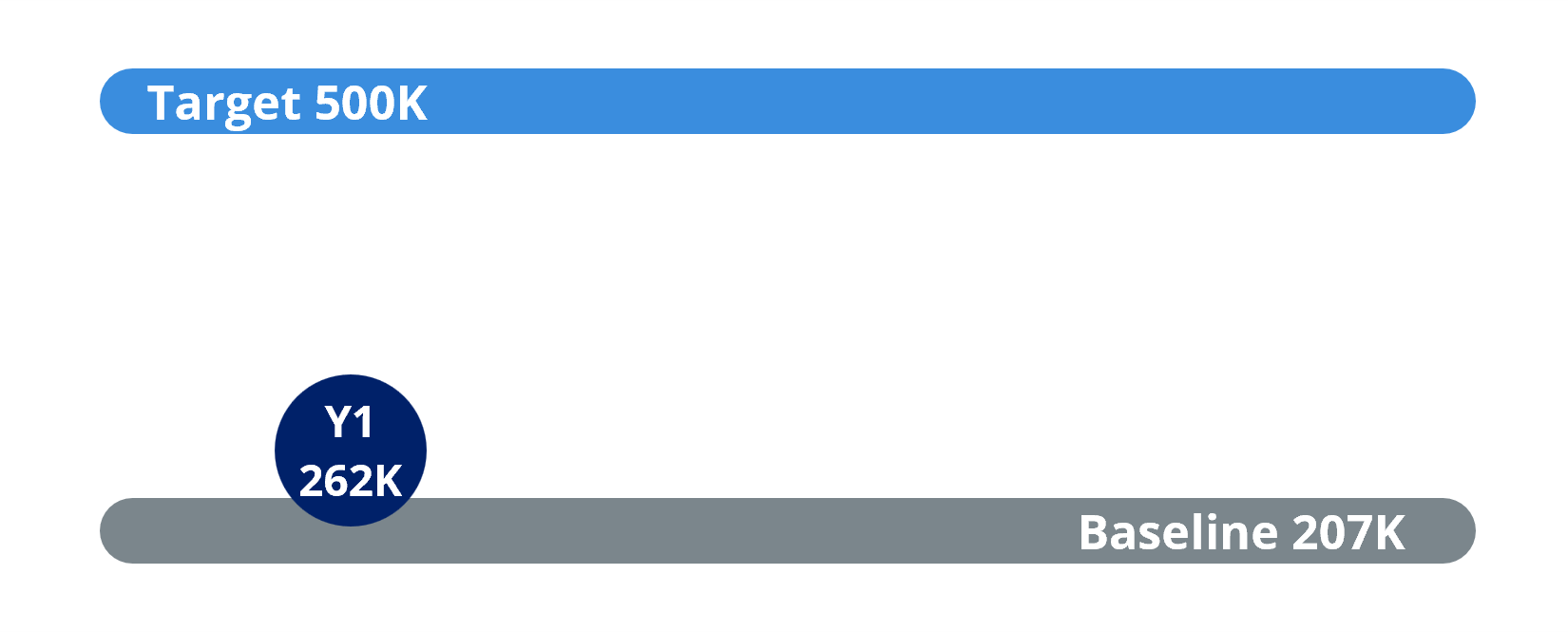
In year one, the website interactions increased to 262,000.
Updated in July.
- Strengthen college-wide collaboration to promote consistent messaging and branding among all departments.
- Implement data-driven, multi-channel marketing campaigns.
- Optimize enrollment pipelines with technology and predictive analytics.
Implement a comprehensive onboarding program.
- Target: Reach 85% onboarding satisfaction on the One-Month New Employee Survey.
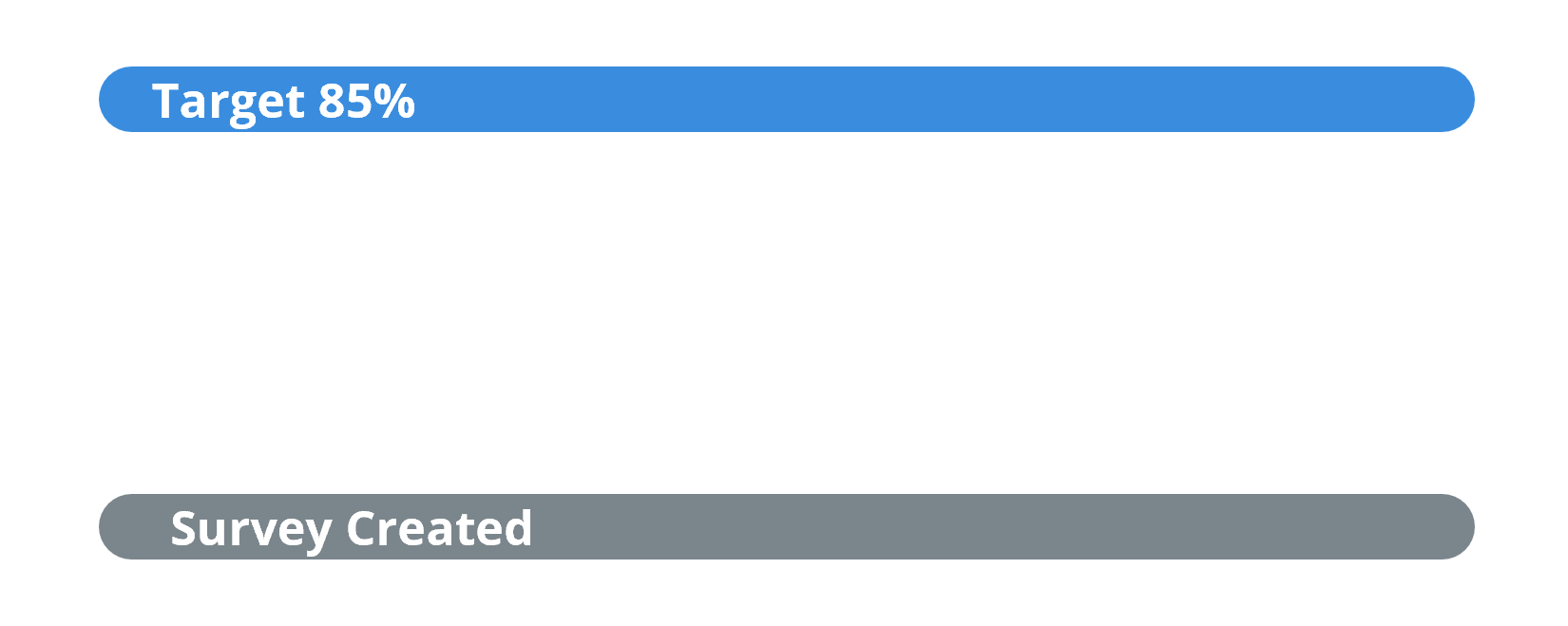
In the first year, a survey was created and results are being collected.
To be updated in August.
- Target: Reach 85% onboarding satisfaction on the One-Year New Employee Survey.
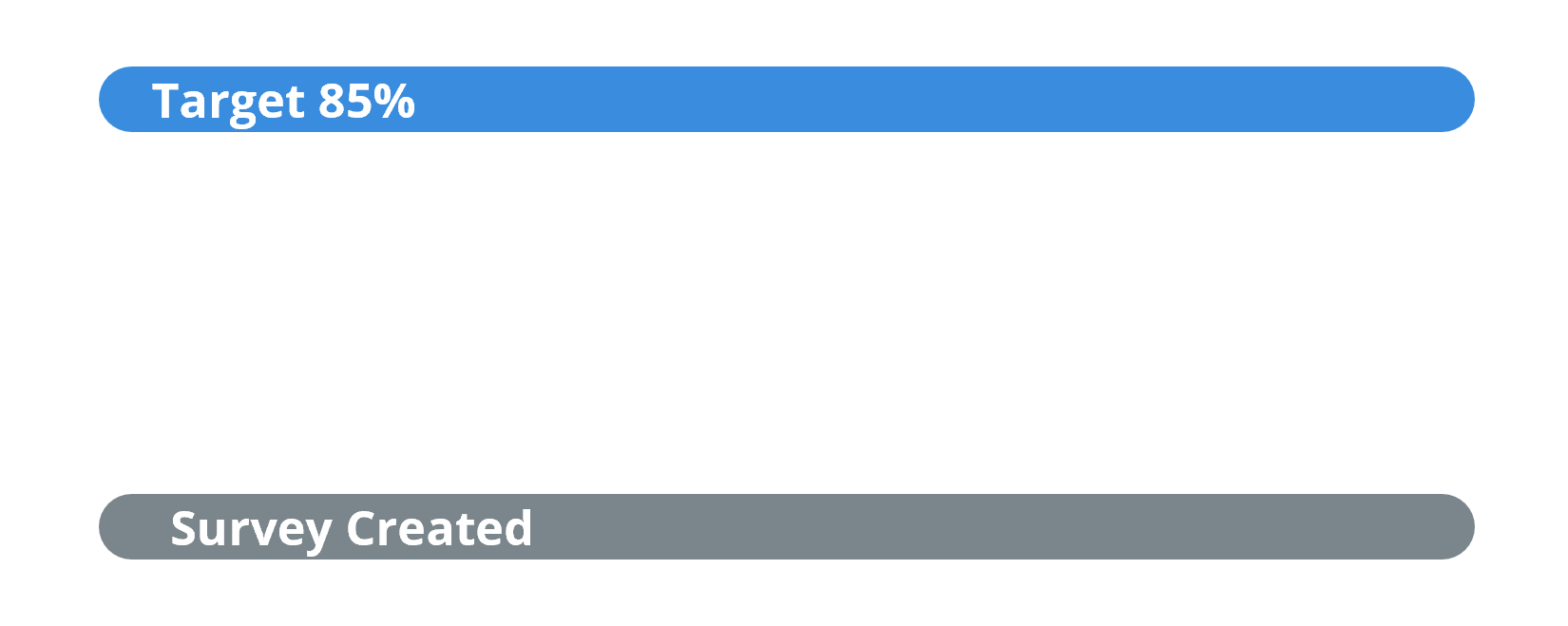
In the first year, a survey was created and results are being collected.
To be updated in August.
- Create an onboarding checklist for faculty and staff.
- Create a one-month new employee survey.
- Create a one-year new employee survey.
- Develop a mentoring program.
Strategy 2:
Foster a culture of employee appreciation.
- Target: Increase positive rating of “Job Satisfaction and Support” by employees from 75% to 80% on the Great Colleges to Work For survey.
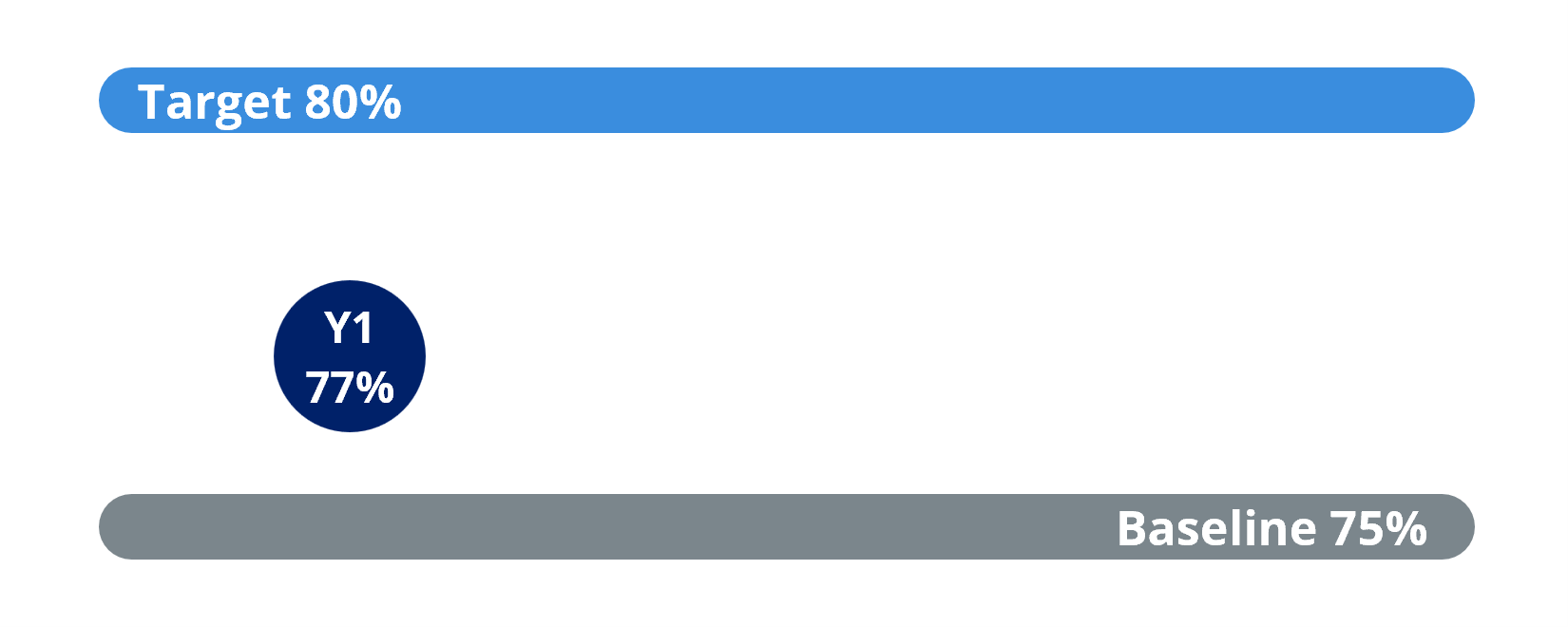
In year one, the positive rating of Job Satisfaction and Support increased to 77%.
Updated in September.
- Target: Increase positive rating of “Professional Development” by employees from 68% to 80% on the Great Colleges to Work For survey.
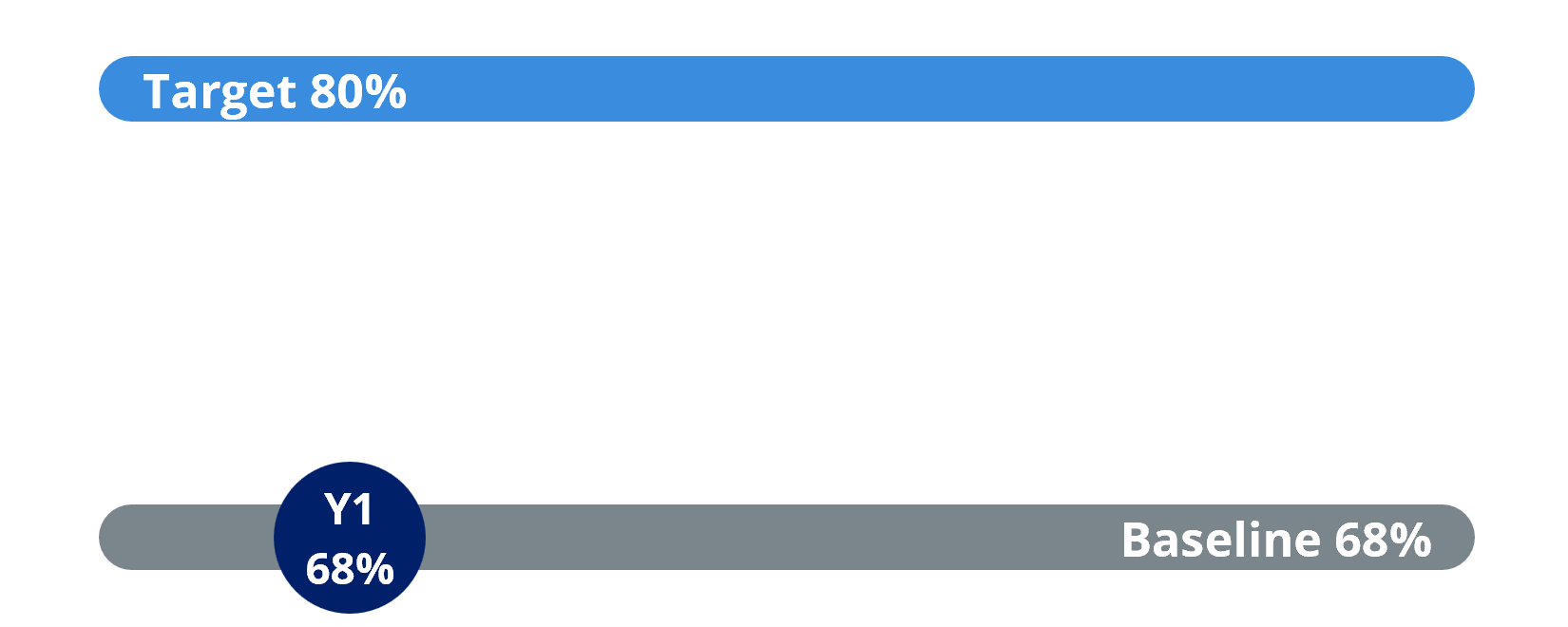
In year one, the positive rating of Professional Development remained at 68%.
Updated in September.
- Target: Increase positive rating of “Performance Management” by employees from 56% to 70% on the Great Colleges to Work For survey.
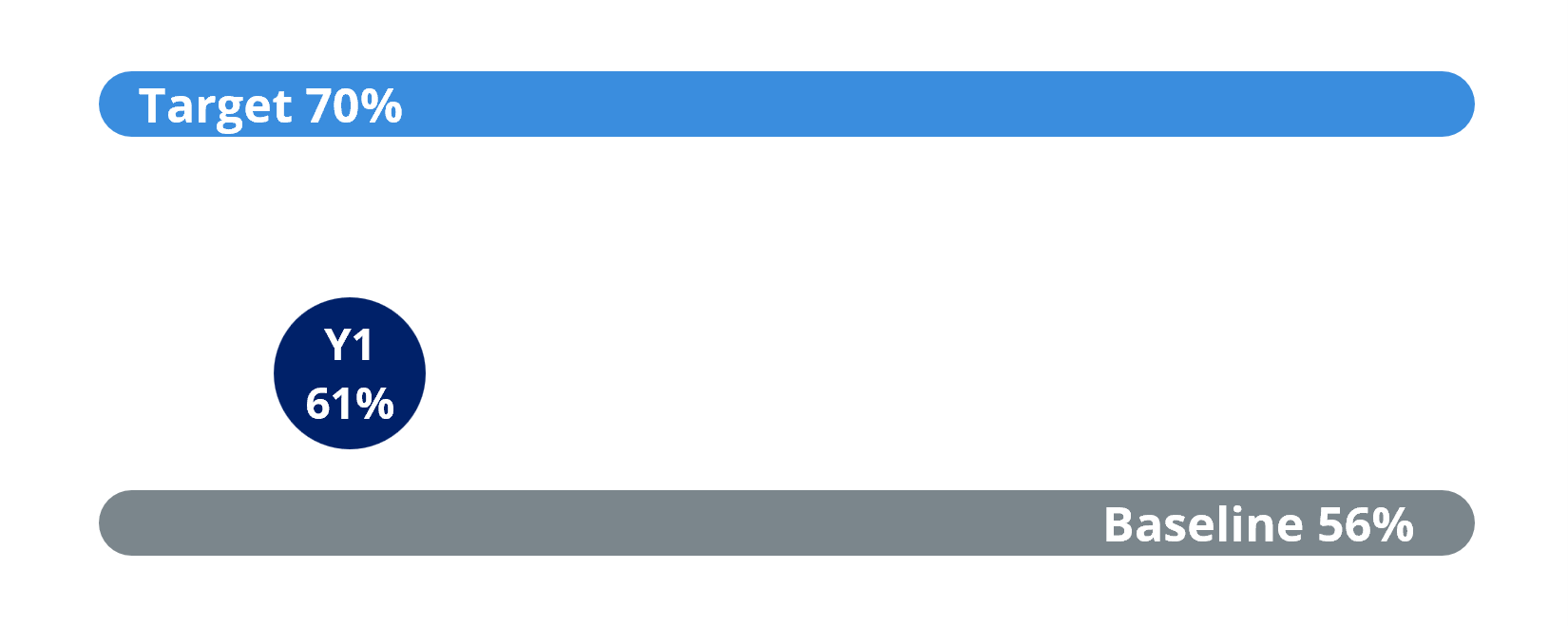
In year one, the positive rating of Performance Management increased to 61%.
Updated in September.
- Create a leadership program for current and potential supervisory employees.
- Develop a competitive and sustainable pay structure by exploring area market analysis and other comprehensive data for two-year colleges in the state.
- Create opportunities for professional development that prepare employees for advancement opportunities.
Develop a culture of effective communication.
- Target: Increase positive rating of “Communication” by employees from 65% to 80% on Great Colleges to Work For survey.
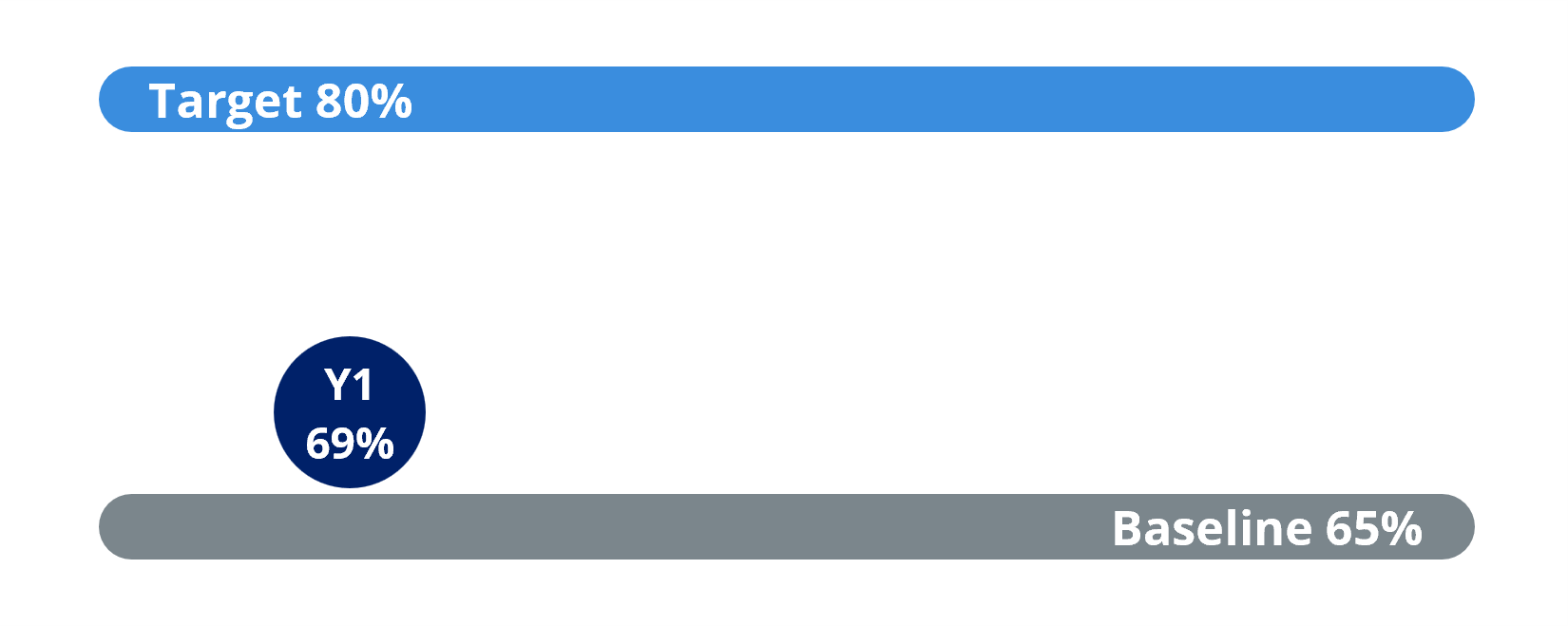
In year one, the positive rating of Communication increased to 69%.
Updated in September.
- Provide communication training each semester for all employees through the Professional Development Program.
- Present professional development on the topic of communication in the Leadership Development Program for each cohort.